.png)
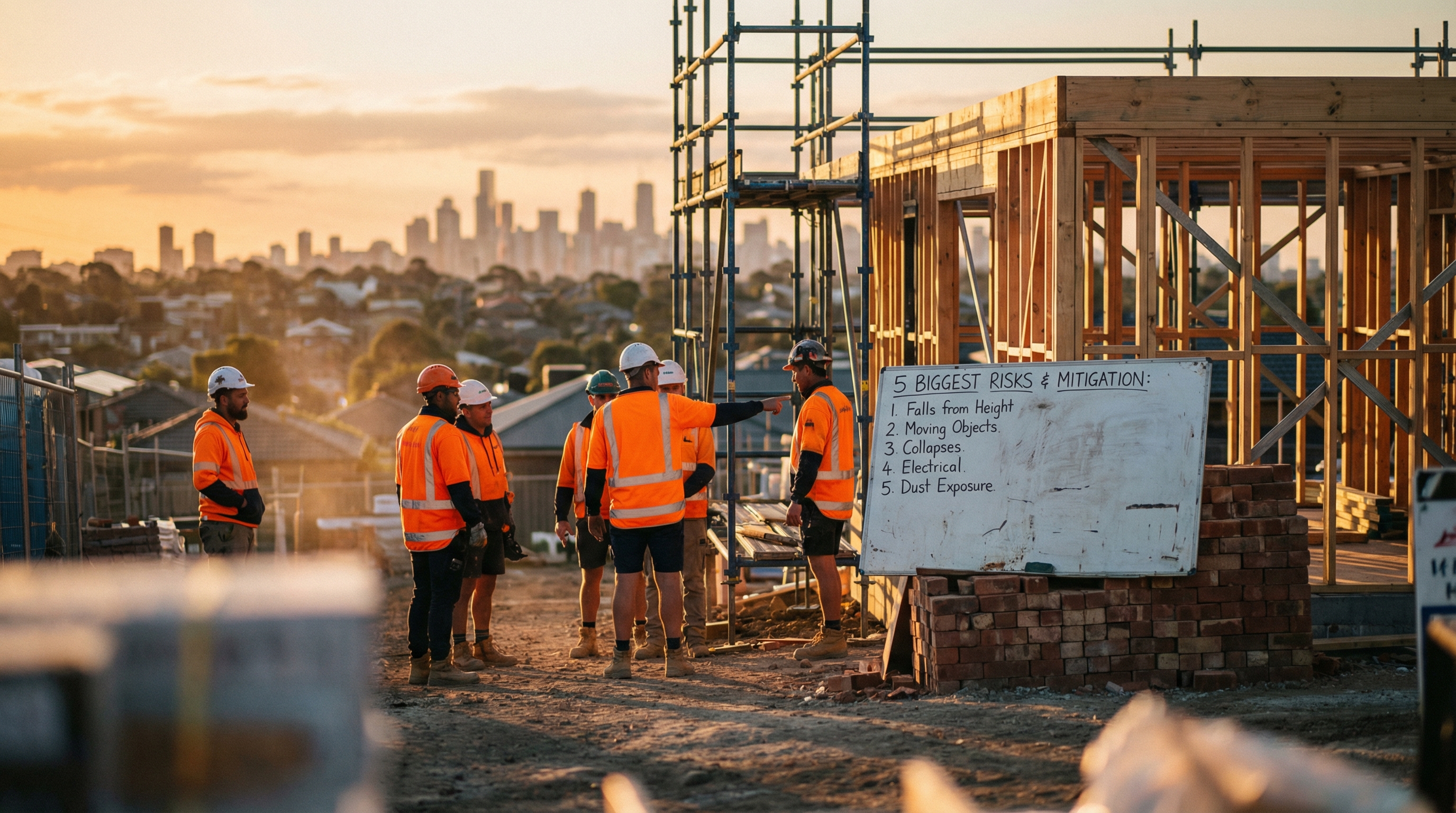
Project Management Construction Australia Risk Mitigation Guide
Look, if you’ve been in Australian construction for more than five minutes, you know that projects rarely go exactly to plan. The reality is that 85% of construction projects experience cost overruns, with the average overrun being 28% above initial estimates. That’s a sobering statistic that keeps developers, builders, and homeowners awake at night.
The question isn’t whether risks will emerge on your next project. It’s whether you’re prepared to identify and manage them before they derail your timeline and budget. Abraham Lincoln once said, “Give me six hours to chop down a tree and I will spend the first four sharpening the axe.” This wisdom applies perfectly to project management construction Australia. The time you invest upfront in risk assessment and mitigation planning will save you countless hours and dollars down the track.
At Sami Strategy, we’ve seen these same five risks surface repeatedly across residential projects throughout Melbourne and beyond. Here’s how to spot them early and what you can do about it.
Cost Blowouts and Budget Overruns
Cost overruns are the number one killer of construction project profitability. They happen when initial estimates miss critical scope items, market conditions change, or unforeseen site conditions emerge. The problem often starts during the estimating phase when contractors rush through documentation review or fail to identify scope gaps.
The solution begins with thorough contractual documentation review during estimating. Every line item needs proper consideration, and every potential risk needs identification before you commit to pricing. This is where having an experienced team makes all the difference. Our estimators don’t just produce numbers, we flag scope discrepancies and risks before they become problems. When you’re dealing with multiple tenders hitting at the same time, having the capacity to maintain this level of detail across all submissions becomes critical.
Regular budget monitoring throughout construction is equally important. Weekly cost tracking against approved budgets helps catch variations before they spiral out of control.
Timeline Delays and Schedule Management
Delays cascade through construction projects like dominoes. A late concrete pour affects framing, which pushes back electrical and plumbing, which delays handover. According to industry data, 70% of Australian construction projects are delivered late, with inadequate planning and scope management being the primary causes.
Effective schedule management starts during the tender phase with realistic timeline estimates based on proper scope understanding. This connects directly to the estimating process, because understanding what you’re actually building determines how long it will take to build it.
Proactive coordination between trades becomes essential once construction begins. Regular progress meetings, clear communication channels, and early identification of potential bottlenecks help keep projects moving. Having someone dedicated to this coordination, rather than trying to juggle it alongside other responsibilities, makes a significant difference to project outcomes.
Contract Disputes and Legal Issues
Contract disputes typically stem from unclear scope definitions, payment disagreements, or variation management problems. The best defense is a good offense, meaning thorough contract review before signing and clear documentation throughout the project.
During the tendering phase, we always review contractual documentation to identify potential problem areas. Unfair risk allocation, unclear payment terms, or scope ambiguities can all lead to disputes later. It’s much easier to address these issues during negotiation than after you’ve committed to the project.
Proper variation management prevents many disputes. Every scope change needs clear documentation, written approval, and agreed pricing before work begins. This might seem like bureaucracy, but it protects everyone involved when disagreements arise.
Quality Control and Defect Management
Quality issues create two problems. First, they require expensive rework that blows budgets and schedules. Second, they damage relationships with clients and can impact future business opportunities.
Quality management starts with clear specifications and continues through regular inspections at key milestones. Having someone on the client side who understands construction standards and can identify problems early becomes invaluable. This independent oversight protects client interests and ensures work meets required standards.
Documentation plays a crucial role here too. Photos, inspection reports, and clear communication about quality expectations help prevent misunderstandings and provide evidence if disputes arise.
Compliance and Regulatory Failures
Building code compliance, council approval conditions, and safety regulations create a complex web of requirements that vary by location and project type. Failure to meet these requirements can result in stop work orders, fines, or expensive remedial work.
Local knowledge becomes critical for managing compliance risks. Understanding Victorian building regulations, local council requirements, and current Australian standards helps ensure projects meet all necessary requirements. Having a Melbourne based team who can attend inspections, respond to queries in real time, and maintain relationships with local authorities makes compliance management much smoother.
Regular compliance audits throughout construction help catch issues before they become major problems. This proactive approach costs far less than reactive fixes after problems are discovered.
Managing Construction Projects Successfully
The thread connecting all these risks is the need for experienced oversight throughout the project lifecycle. From initial estimating through final handover, having professionals who understand Australian construction standards and can identify problems early makes the difference between successful delivery and costly disasters.
This is particularly important for building project management tips that actually work in practice. Generic advice often fails because it doesn’t account for local conditions, regulations, and market realities. Construction project delivery in Australia has specific challenges that require local expertise and experience.
Risk mitigation isn’t about eliminating all uncertainty, that’s impossible. It’s about identifying potential problems early and having plans to address them quickly when they arise. The key is having systems and people in place to support this proactive approach.
At Sami Strategy, we understand that effective project management construction Australia requires more than just following templates and procedures. It requires experience, local knowledge, and the capacity to provide real time support when issues arise. We don’t just hand over estimates and disappear. We stay involved through the tender process and beyond, responding to queries, managing variations, and protecting our clients’ interests.
Whether you’re a developer managing multiple projects or a homeowner planning your first build, having the right team supporting your project makes all the difference to successful outcomes.
Ready to discuss how we can help mitigate risks on your next project? Get in touch with our team for a consultation about your specific requirements. You can also connect with me directly on LinkedIn to discuss your project management challenges and how our Melbourne based team can support your success.
The risks are real, but they’re manageable with the right approach and support. Let’s make sure your next project is one of the successful ones.